Timeless Combo Nikkor 50mm With The D600 In 2026
With no extra cost to you this post has affiliate links – if you buy something from MPB, I get a free coffee.
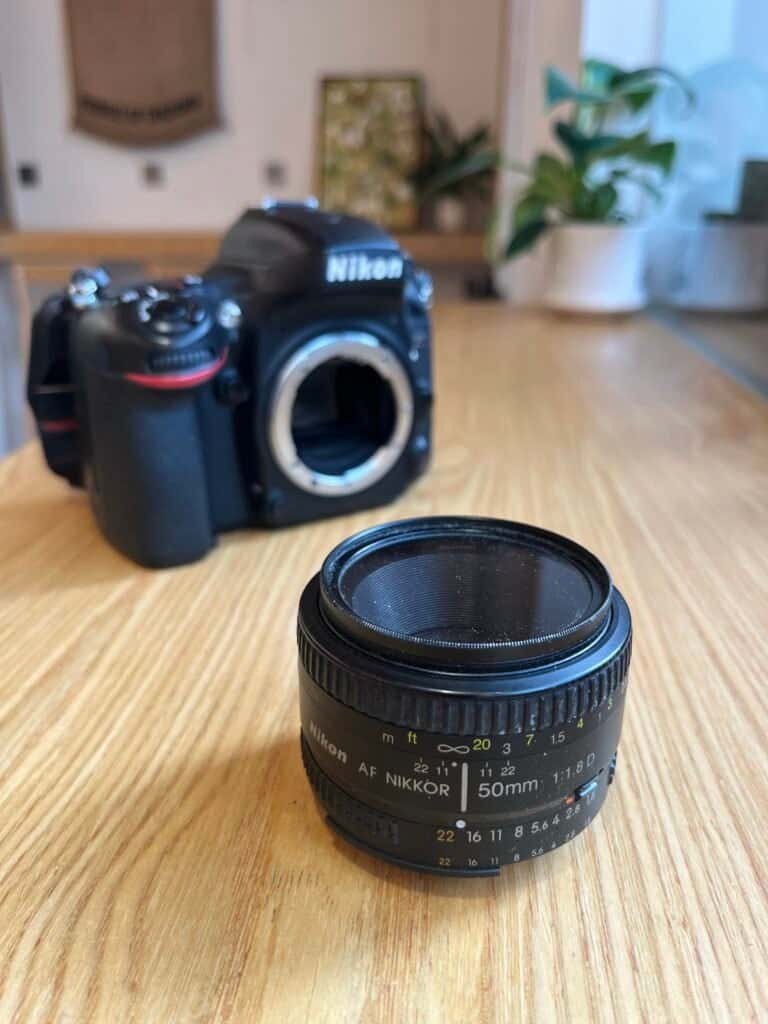
Nikkor 50mm 1.8 My Go to Lens
Before I get into this post, apologies for my absence for the last while. Thank you for your continued readership it means a lot to me. The next thing I want to say is Happy New Year to you all and all the best for 2026. As for me I will be a better blogger this year.
Back to the post….
The nifty fifty on the Canon got and still gets a lot of love. I can understand why because the focal length is close to perfect. I mean If it is good enough for Henri Cartier-Bresson it’s good enough for us.
Of course he shot with a Leica, unlike myself and perhaps you. Have you heard that old chestnut:
“Its the focal length that’s closest to the human eye.”
Every camera YouTuber seems to have said. They have also said it about the 35 and even slightly wider lenses. I don’t know which focal length really is most similar to the human eye. I’m only using that old camera adage to introduce the Nikkor 50mm f1.8. Which we will find out is an amazing lens for the Nikon D600. In fact I honestly can’t imagine using another prime lens on this full frame system.
What I Use It For
- I use it more for portraits these days than I used to. I feel it’s very useful for portraiture. Subject look good in the frame, although its true that the image is not as compressed as with the 85mm. For me it is pretty close to the sweet spot though. In comparison the 35mm is too wide, although it is quite well suited for environmental portraits.
- My main use for the 50mm is street and travel photography. The lens itself is pretty discreet unfortunately the the Nikon D600 is not. With this lens you definite don’t get that “in your face telephoto vibe.” I see a lot of people in Hong Kong sniping away (which annoys me for some reason).
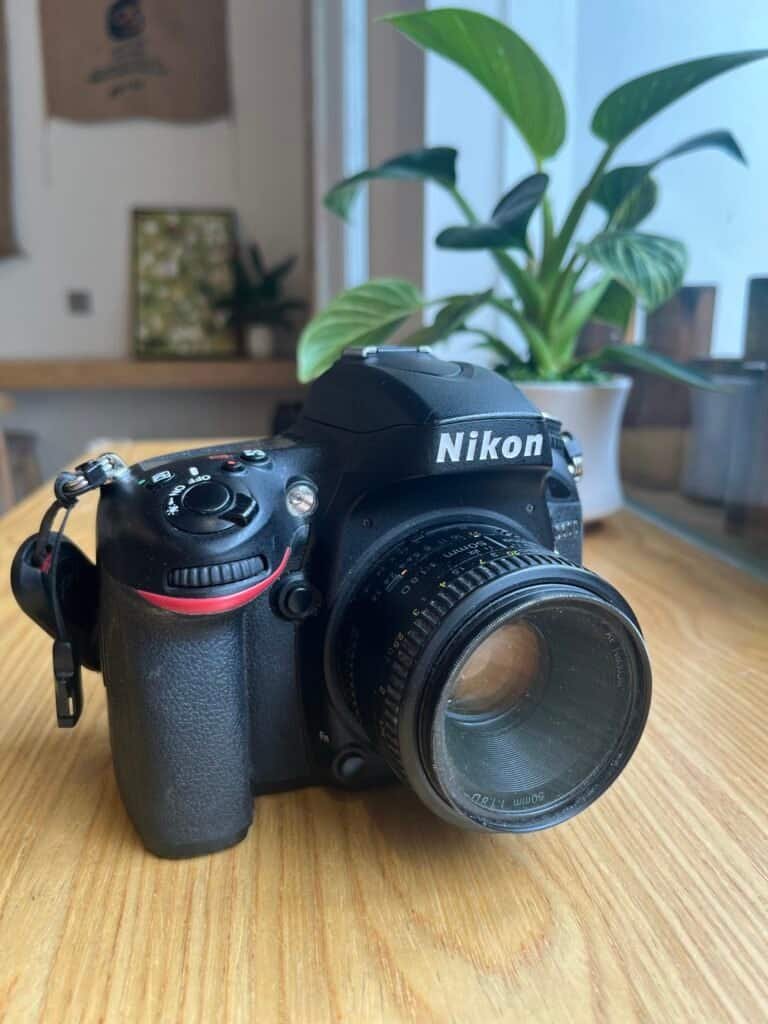
- Paired with the Nikon D600 it seems really balanced and you don’t know notice anyway weight different at all.
- My Nikorr 50mm prime lens is the f1.8 version, it isn’t exactly a low light beast, but it is good enough for most situations that’s for sure.
- The last advantage is a good one. Using the 50mm focal length means you don’t have to go too close to your subject, which is great if you are a coward or just starting.
Let’s Be Honest – Build Quality
If your looking for steel industructible steel like monster that you can bounce of objects with confidence, consider these points first:
- It is largely plastic
- It is very lightweight
- It is very compact
- Sadly no weather sealing
- Although the mount is metal, the barrel is plastic
For me none of these things these are bad things at all, its simply a trade off, for this wonderful compact lens.
This lens is way better than you might think
- Honestly the reason I go this lens in the first case was the price, I forgot what I paid for it, which means it was pretty cheap.
- The images in general are really sharp even when stopped down a little.
- The f1.8 aperture means it is really quite good in low light.
- It’s so light I don’t even notice it and centre is sharp.
- The image quality I think is fantastic, very natural looking and the bokeh is satisfying as well.

It does fall short in some areas
- The autofocus isn’t fast at all. This is especially noticeable in low light. To say that this lens hunts would be an understatement. Seeing something and catching a good image of it lowlight are often two quite different things.
- Obviously there is no zoom (I don’t care about that actually) and the edges are a bit soft.
- More expensive produce better bokeh (I’m not addicted to bokeh so that is fine).
- It doesn’t feel very robust and I do worry about bumping it. That said I have dropped the camera (the camera broke, but not the lens)

Why I Still Rate It in 2026
On paper this 50mm prime-lens it may not look like a knock out lens but I still love using it. I have taken some of my most beautiful photos ever with this camera. Of course you can argue that the results are due to the the gorgeous sensor but think it is a team effort.

At the time of buying this combo, I really took a chance on the camera and lens deal I got. It was both exciting but I also I was afraid it would be waste of money.
Originally I was looking for a Canon at first, but I only for found ones in bad condition or overpriced. The deal I got was about 300 USD for both. The rest as they say is history. The quality of the images this setup can produces are so characterful and beautiful. In my opinion better than any modern set up.
The size of the lens is like a cheeky nose, it doesn’t stick out too much. Though far from a sleek pancake lens, it’s not as bulky as a telephoto lens, which for me is perfect.
The Nikkor 50 mm really does feel like a useful tool, rather than just a random kits lens for example. I honestly would rate this combo over the Leica Q3, both the 28mm and the 43mm versions. I have used both and have failed to fall in love with them, or even fancy them a little bit.
This simple setup, grounds you and the simple nature of this combo slows everything down and makes photography feel like photography again. I even love the lens flares which do occur. They just feel wonderfully organic. For me what is important is the fact you really don’t need to use a flash in most cases because lowlight performance is pretty damn good.
The lens and camera combo simply feel artistic vs clinical and precise.
For the best results
F/4 – F/5.6 – The Sweet Spot for this lens in my opinion is around (f/4 – f/5.6). Stick to this and you will get:
- Edge-to-edge sharpness
- An Ideal street, travel, and portrait experience

F5.6 – This lens also produces similarity great images.
F/8 – F/11 – Stopped Down (f/8 – f/11)
- Very sharp across the frame
- Great for architecture and landscapes

I don’t have a bokeh fetish but the bokeh is good in my opinion. Wide open, background blur is:
- Smooth
- Very flattering for portraits
Of course in challenging conditions such as height contrast backgrounds or lowlight you won’t get the best results.

Autofocus Performance
On the Nikon D600:
- Accurate in good light
- Hunts a heck of a lot in low light (normal for this class)
Not wonderful for:
- Fast moving subjects eg. Sports, hurtling pets and children
- Ultra wide shots, this focal length is very tight and limited especially in small spaces.
Lowlight
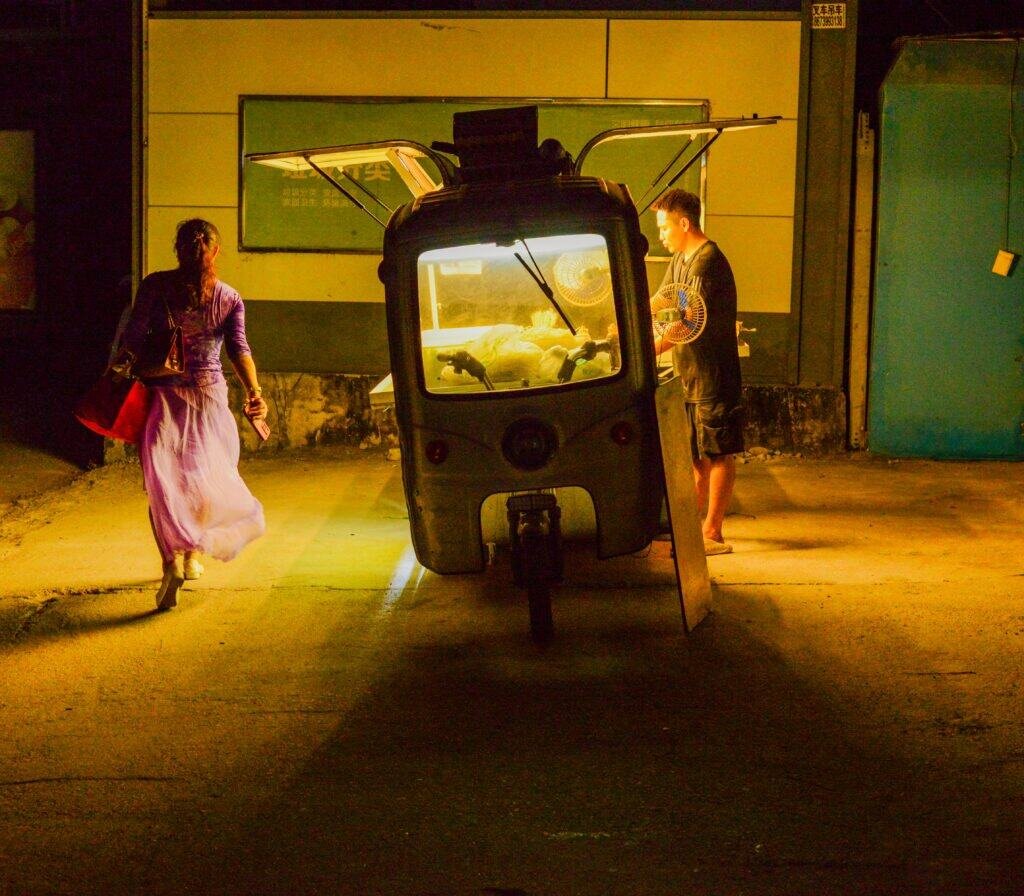
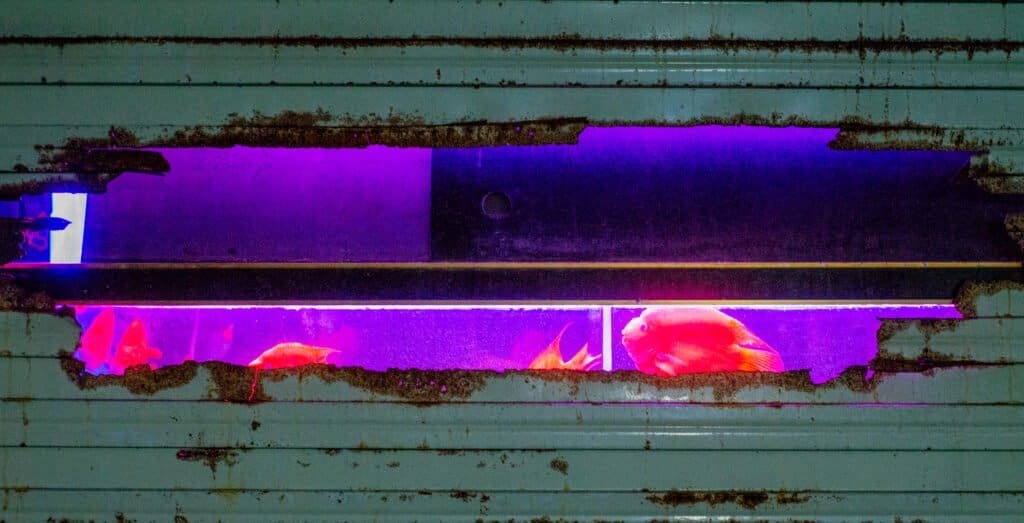
Paired with this wonderful old classic Nikon D600 low-light photography genuinely enjoyable.
Final thoughts
This combination of the Nikon 50mm on the D600 is a classic duet. I was never a film guy, but in my opinion this is how photography was meant to be. It’s a simple lens with fantastic image quality.
I would say if you are still slinging or have an itch to pick up an old full frame Nikon this lens is a must have. To be honest at this point I don’t seen the need to change this lens, unless…. I decided to get into landscape photography. This may actually happen thanks the Nikon D600. I just simply love how this gorgeous sensor manipulates the light and colours.

This lens is a bargain, but that is not a reason for you to get it. Get it because its as good as good as many of the more modern lenses on the market today. It’s certainly more characterful.
Just don’t expect to be getting razor sharp images of mosquitoes buzzing around the head of your best friend as he/she sips on a whiskey sour in the moonlight.
Here are other posts you might like
If you’re interesting in challenging your photography why not read my suggestions here, and see what I am doing to challenge myself in 2025 here. If you are looking to up your game you could also check out my street photography/travel photography here. There is a great review for the Canon 6D Mark I here as well as a camera comparison between the Nikon D600 and the Canon 6D Mark I here.
If you want to check the prices of gear or cameras try MPB
- 🇺🇸 MPB shop US
- 🇬🇧 MPB shop UK
- 🇪🇺 MPB Shop EU (English)